Seeds carried by the warm wind
16 artists and creators engage with fundamental human rights issues through a range of mediums: photography, video art, documentary, multimedia and sound installations, video games, writing, podcasts, and archives.
They share a common ambition: to explore the complexity of political and social realities through the artistic language, and to open up new ways of thinking, storytelling, and imagining the world around them.
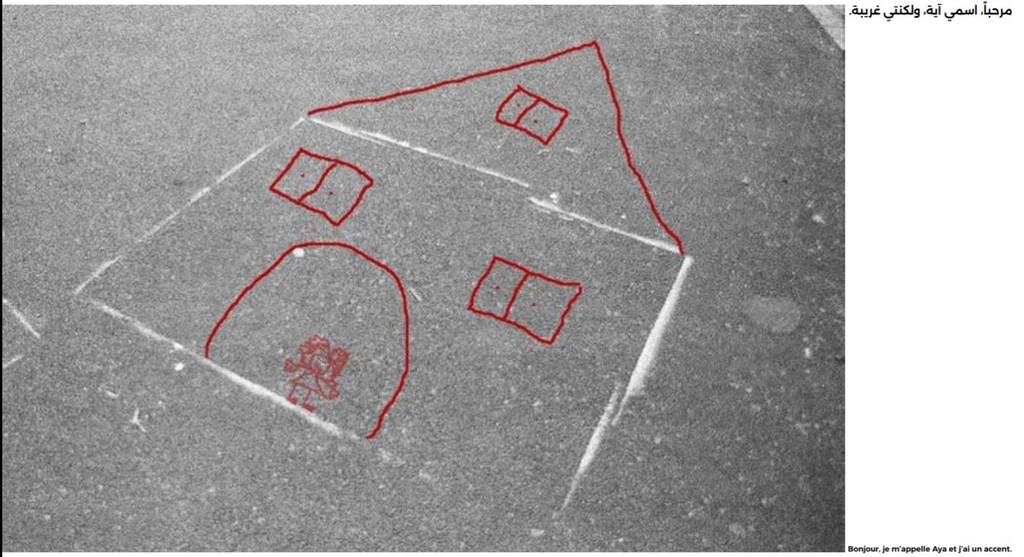
Polyphonies fragmentées: mémoire des femmes en exil (2026) / Aya Chriki (Tunisia)
Ce projet d’installation artistique mêle vidéos, images, visuels et documents pour explorer les expériences d’exil de femmes arabes entre la France et l’Égypte. À partir de témoignages personnels et collectifs,il construit une mémoire fragmentée où chaque récit, voix singulière, raconte une expérience individuelle, mais qui, ensemble, tisse une histoire collective. Cette polyphonie cherche à visualiser et à comprendre les tensions entre identité, appartenance et déplacement.
Pensé comme une archive vivante, le projet affirme la nécessité de rendre visibles et audibles des récits souvent marginalisés. Il questionne également la place de nos histoires personnelles face aux récits officiels, souvent indifférents aux vécus, aux émotions et à la manière dont nous avons traversé ces expériences
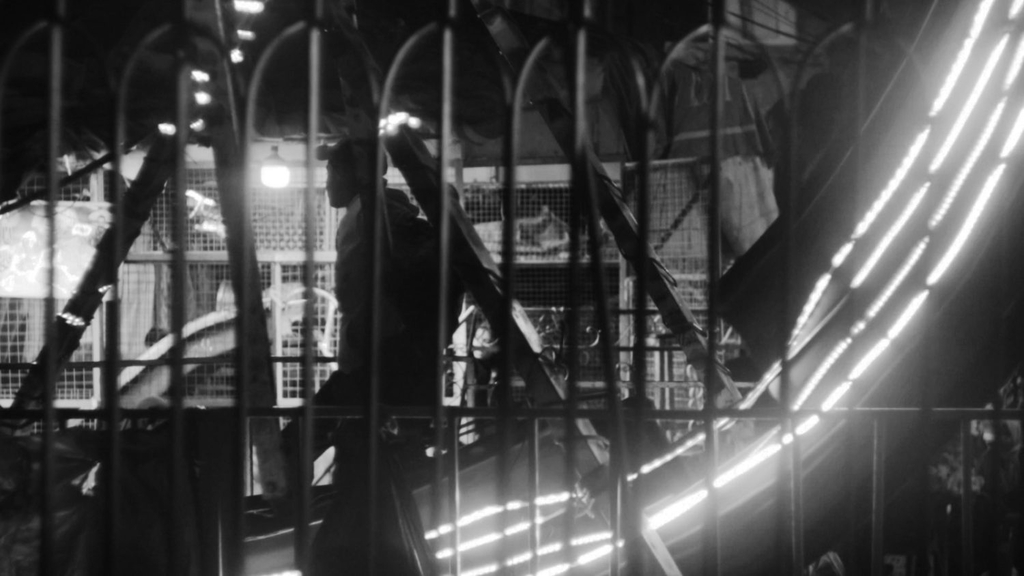
Jusqu’à ce que nous nous retrouvions (2026) / Ahmed Essam (Egypt)
Until We Meet Again
Ahmed and Hussein, two young filmmakers from Alexandria, were bound by a deep friendship forged through their shared love of cinema and their long conversations about art and politics. In January 2024, Hussein was arrested for political reasons on the basis of false accusations. Since then, Ahmed has been sending him audio cassettes containing sounds and fragments of life from the outside world, while Hussein replies with handwritten letters from his cell. Through this secret exchange, they maintain their friendship—and Hussein’s connection to the world—despite the walls that separate them..

Al Bayan (2026) / Dana Ibrahim Younes (Lebanon)
Al Bayan is a performance in Arabic, born from the emotional and political journey I have been going through since 2023. Al Bayan means “the declaration,” the act of creating through words, both poetic and political.
The first layer is the voice—my own—drawing inspiration from rap and slam. I bring forth a form of poetry where urgency and vulnerability coexist, where the intimate meets collective memory. With electronic producers Muhandas / MOZBOX (Live Performance) and LTFLL, I have created compositions that oscillate between harmony and tension, echoing the voice or standing in contrast to it. The sonic landscape carries both rhythm and silence, where breath, noise, and emotion intertwine. Projections of landscapes from southern Lebanon accompany the stage. Skies, horizons, fragments of land hold onto what might disappear. Rather than serving as mere illustrations, they act as forms of resistance against erasure.
Al Bayan is a declaration of presence: a voice against disappearance, a rhythm that brings clarity, a gesture that transforms silence into truth. It speaks from within war and colonialism without turning them into spectacle. The voice becomes both wound and weapon, bringing clarity to noise and light to loss..
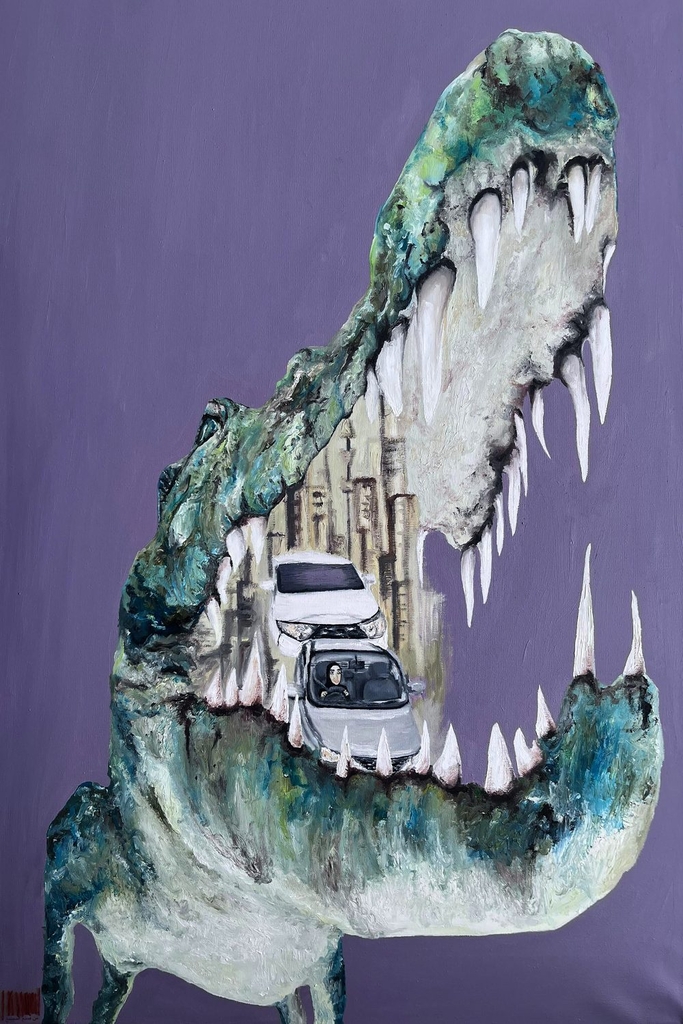
Rak Bent (You are a girl) (2025) / Asmaa Bashashah (Libya)
“Rak Bent” is an expression commonly used in the Libyan dialect to remind a girl of the limits imposed on her simply because she is a woman. The project explores Libyan women’s right to the city, focusing on Benghazi, a space shaped by deeply rooted social values that govern women’s presence in public space. Through a series of oil paintings combined with mixed media techniques, the work examines the visible and invisible boundaries that shape women’s movement, freedom, and sense of belonging in the urban environment. By translating these social structures into layered visual compositions, the project reflects on the tension between private and public space, revealing how the city itself can become both a site of restriction and a field of negotiation for female presence.
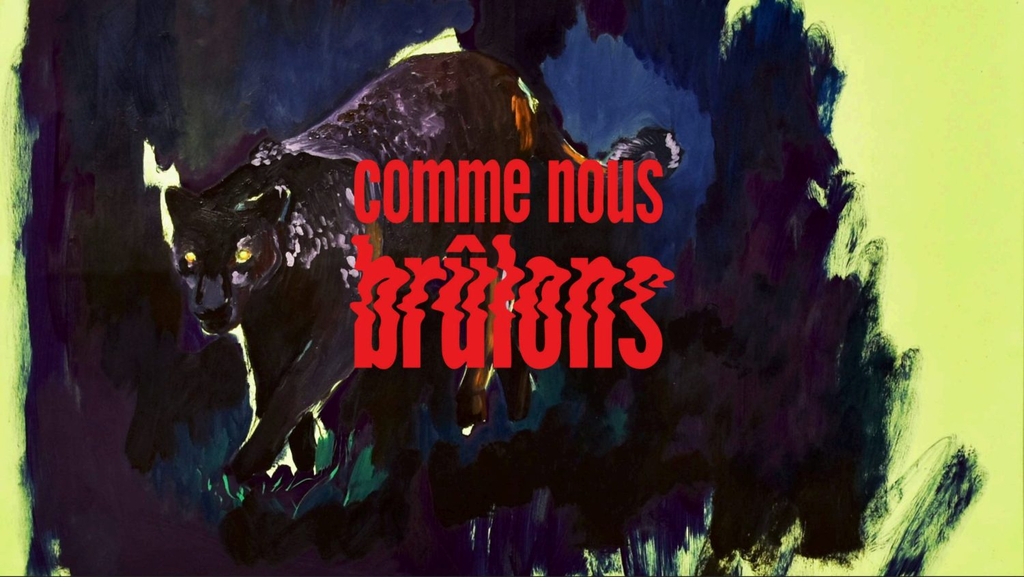
Comme nous brûlons (2026) / Sihem Benmina (France)
Comme nous brûlons is a contemporary literary journal with a “métèque” identity, founded in Marseille in 2024. It is accompanied by a website that hosts selected texts by authors not retained by its editorial committee for the print journal, as well as works discovered during its open-mic events. This alternative editorial space features texts, as well as images and audio formats.
This platform was conceived by Sihem Benmina, editorial director of CNBL, and Anne-Sarah Huet, a writer and independent researcher, drawing on the latter’s expertise in social choice theory. The design of this digital space emerged from a reflection on the exclusionary dynamics within the publishing world, particularly in editorial selection processes and practices. By questioning racial biases and profit-driven logics in publishing, this platform extends the spirit of the journal while broadening its audience through a format that is free and more accessible than the printed book.
Anthropomorphic City (2026) / Vanessa Abdelaal (Lebanon)
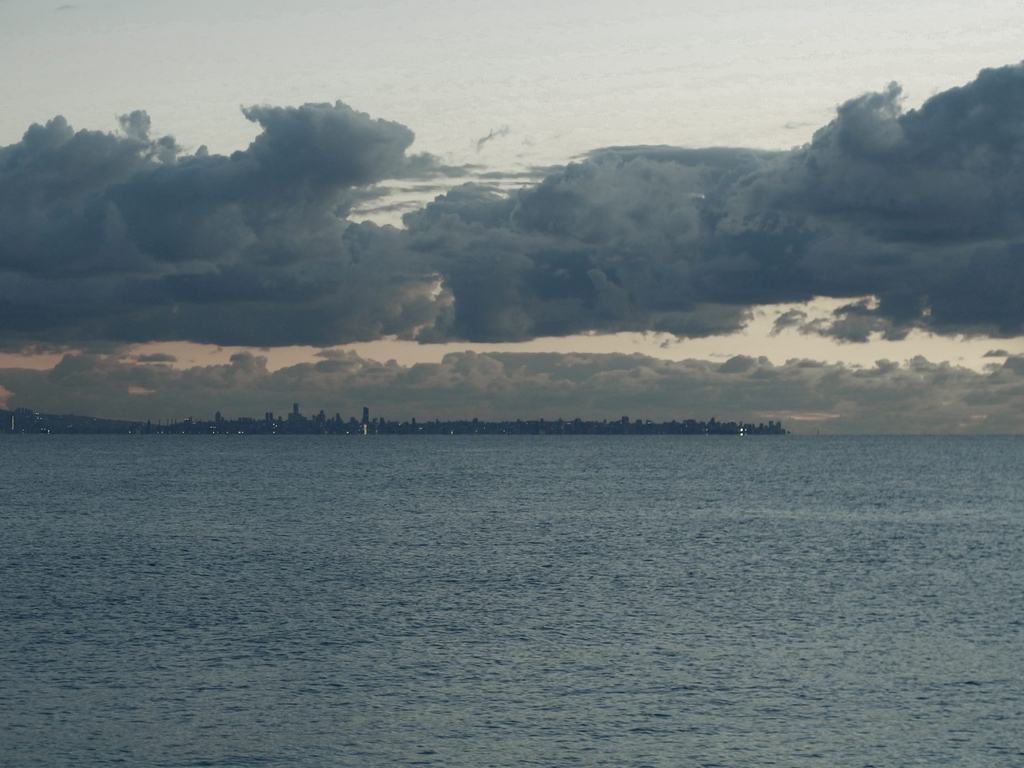
Tajseed Madina (“An Anthropomorphic City”) explores the relationship between the individual and a city that continues to resist. Inspired by the filmmaker’s distance from Beirut during the Israeli violations of 2024, the film asks: how can artists resist in absence? As a non-Lebanese citizen belonging to a place that rejects her—Lebanon—this work pays tribute to both Lebanese citizen and non-citizen artists who continue to love, resist, and create in Beirut, as well as to the Lebanese diaspora forced to remain detached from it. The film intertwines the metaphorical separation from a loved one with the real distance of being away from the city. To draw closer to Beirut, the filmmaker looks at it through the camera lens, blending images of reality and fiction. The transformation of the city into a woman reveals the power dynamics between Beirut and the filmmaker. The city becomes a woman capable of speaking and moving closer to the camera. Between resistance to distance and the desire for proximity, a montage of intimate photographs of skin and the city—layered upon one another—accelerates and collides, merging the woman and Beirut into a single image.
Lost.dir. (2026) / Yanis Ratbi (France)
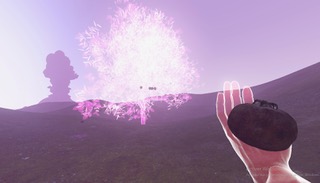
An art installation that uses video games to explore fragments of memory related to North African immigration in France, from the 1960s to the 2000s. The viewer takes part in a ritual of memory (re)activation, navigating a misty archipelago where the tombs of forgotten (or fading) stories lie.
By participating in the ritual, names light up, emerge, and reclaim their place in collective memory. Each click becomes an act of attention, of vigilance, a symbolic repair of this lost.dir. Each stele refers to a demolished neighborhood, a significant street, a workers’ hostel, a shantytown, or an erased activist figure. The soundscape accompanies this sensory mapping which, through exploration, gradually reveals itself and forms a journey of embodied memory.
Y’a ça chez nous (2026) / Nawal Benali (France)
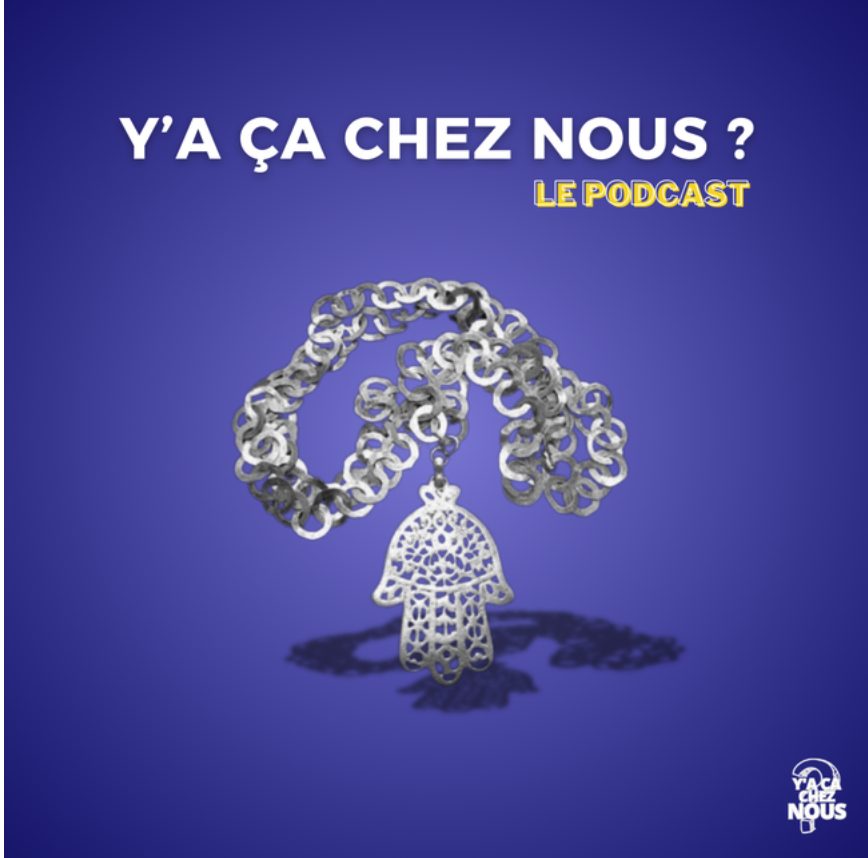
This podcast aims to deconstruct and analyse the dynamics of anti-Black racism specific to North Africa and its diasporas. How is it that Africans so easily discriminate against other Africans, and what does this discriminatory bias actually reveal? What historical facts from the northern region of the continent have led to a division—imagined in reality, yet real in people’s minds—between a “white” Africa and a “Black” Africa, and what political and social factors continue to sustain this perception?
Dhakkir (2026) / Zeineb Ghorbel (Tunisia)
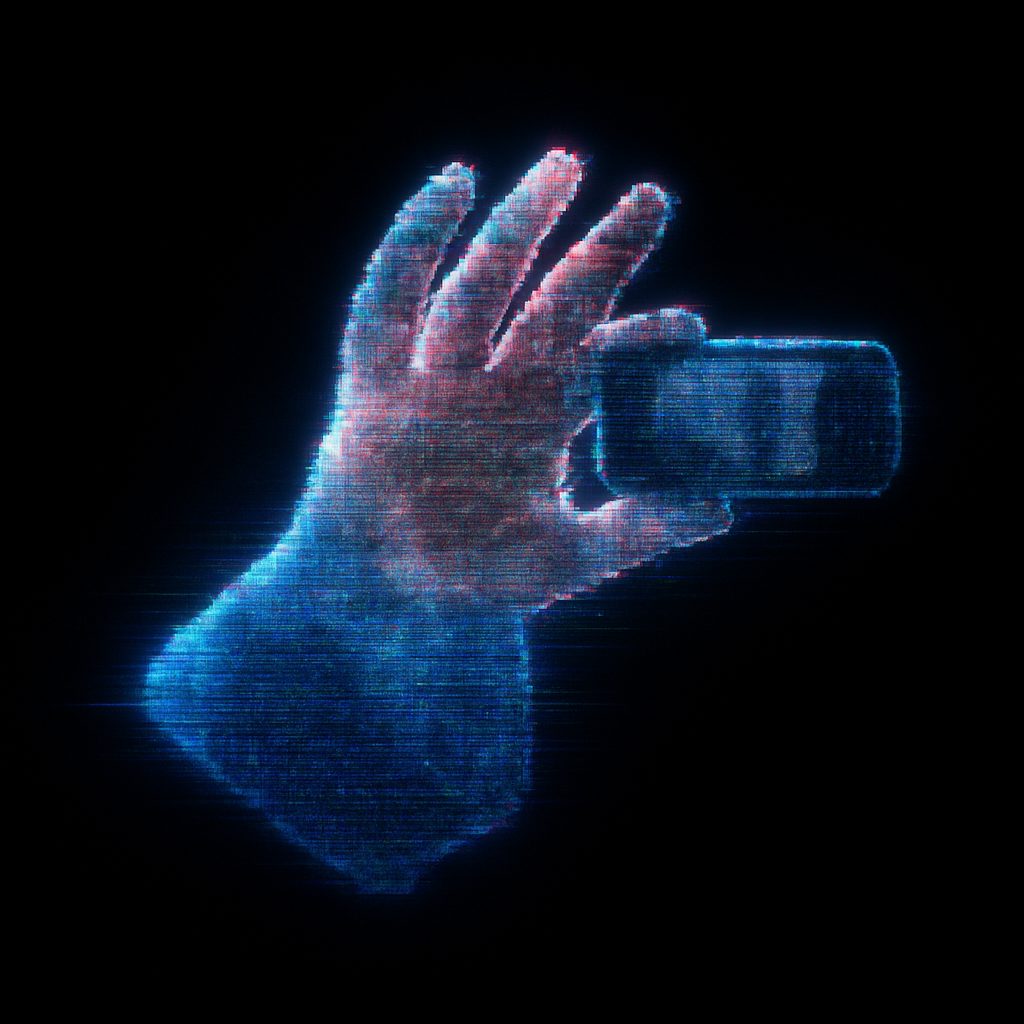
Dhakkir is rooted in a Qur’anic expression that clarifies its scope: “Remind, for indeed the reminder benefits the believers.” This injunction designates an active process through which a community keeps the continuity of its experience alive. Remembrance is not an act of nostalgia, but an act of presence: a way of reactivating what grounds the collective and standing against forgetting.
In 2011, I was thirteen. Sitting in front of the family computer in Tunis, I discovered Facebook and the revolution almost simultaneously: shaky videos, cries captured by anonymous individuals, bodies in motion. This first encounter with images was also a first encounter with politics. It continues to haunt me today. Dhakkir emerges from this experience to raise both an intimate and political question: how can we transmit, activate, and bring into dialogue the memory of social struggles when its traces are fragmented, dispersed, and threatened by algorithmic erasure?
The installation brings together visual traces produced during Tunisian mobilizations between 2008 and 2011. Dhakkir proposes to experiment with the gestures that allow this memory to continue existing: connecting it, interpreting it, and transmitting it.
Unshipped (2026) / Olga Souvermezoglou (Greece)
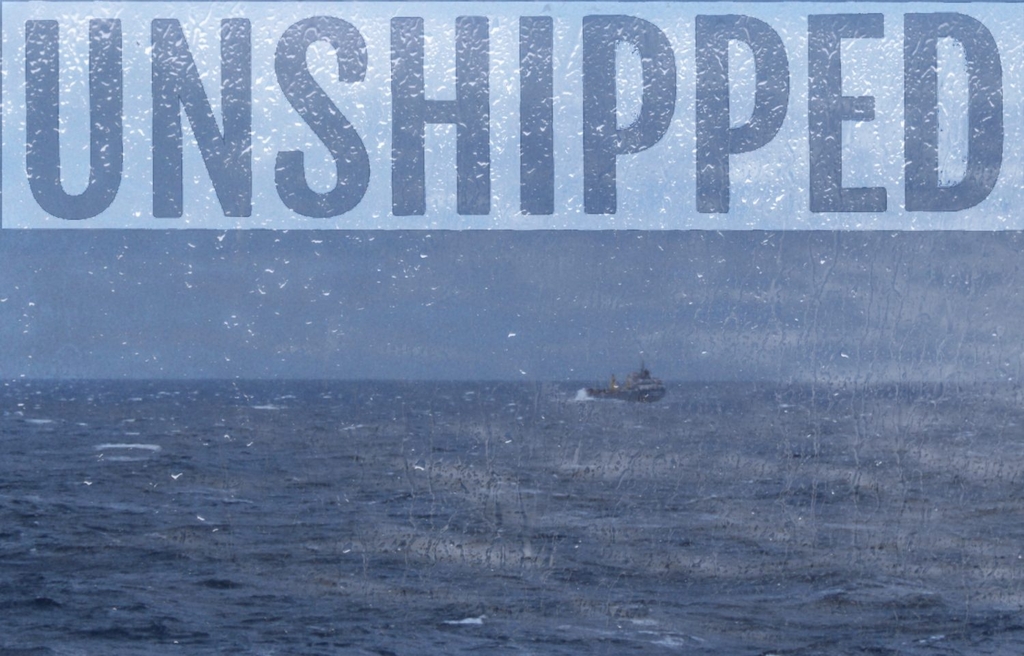
“Unshipped” constitutes a conceptual and methodological framework aimed at studying contemporary violence, memory, and forms of resistance, using the Palestinian question as a starting point to extend to broader geopolitical and social conditions. The title refers both to shipments of weapons that were never delivered due to the refusal of French and Greek dockworkers to participate in the machinery of death, and to humanitarian aid that never reached Gaza, thereby revealing the violence of abandonment.
At the same time, the research draws on oral history and horizontal archiving as participatory practices of knowledge production. Through interviews, narratives, and non-normative historical tools, it explores how archives can function not as static repositories, but as active spaces of dialogue, counter-narratives, and the empowerment of marginalized voices.
Your Life is a career – The Boutefteens(2026) / Ahmed Merzagui (Algeria)
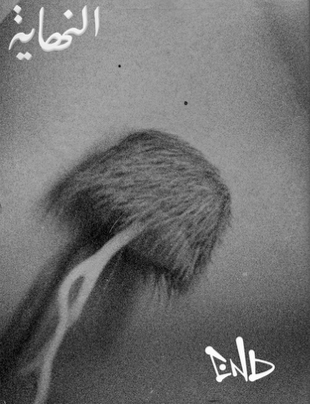
Your Life Is A Career is a visual and sound immersion into the heart of a generational divide shaping contemporary Algeria. Drawing on archives, documentary images, animation, fragments of everyday life, and hybrid audiovisual creations, the film brings into dialogue two generations shaped by radically different contexts. One still bears the imprint of a past marked by violence and silence—a fragmented memory that continues to inhabit bodies and gazes. The other has grown up in a pacified country, yet one frozen for two decades under the same power, forming its relationship to the world within a static, uniform, and globalized continuity. Between memory and the present, their perspectives intersect, brush against one another, and sometimes respond—without always converging.
At the crossroads of the intimate and social observation, the film, in its dissonance, seeks to capture a moment of transition and questions what is passed on, what is transformed, and what is lost from one generation to the next. It offers a sensitive exploration of a plural youth striving to redefine its identity, its dreams, and its horizon in a changing Algeria..
The People of Wad Shaaba : Craft, Plate and Place (2025) / Khalid Bouaalam (Morocco)
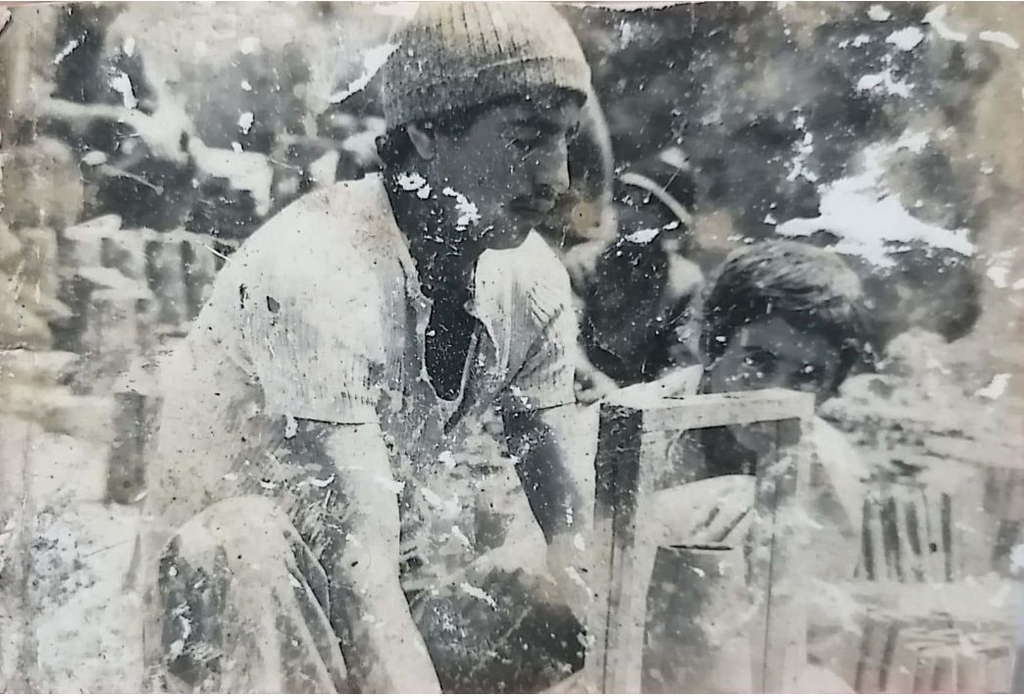
This project explores the links between the history of ceramics and geographical studies in Morocco during the 19th and early 20th centuries, examining how these histories continue to shape the present. Through the work entitled “The Green Map of Wad Cha’ba,” the project rewrites geography by mapping the ceramic history of Wad Cha’ba, a watercourse in Safi that carries over 500 years of pottery traditions. The work questions how colonial geographical knowledge intersected with Moroccan craftsmanship and the systems of power that shaped these narratives.
Alongside the map, a documentary film highlights the voice of the artisan, presenting history from the margins and repositioning it at the center of the narrative of craftsmanship. The installation Decentralize reflects on the possibility of repairing this complex historical and geographical narrative through the traditional Tbouaa motif. Another work repairs a pottery basin, the “Qjar,” using Safi cobalt blue pigment, inspired by the Japanese practice of kintsugi.
Together, these works question the possibility of repairing damaged histories and geographies through craftsmanship, revealing ecological, cultural, and social wounds while imagining new narratives of resistance.
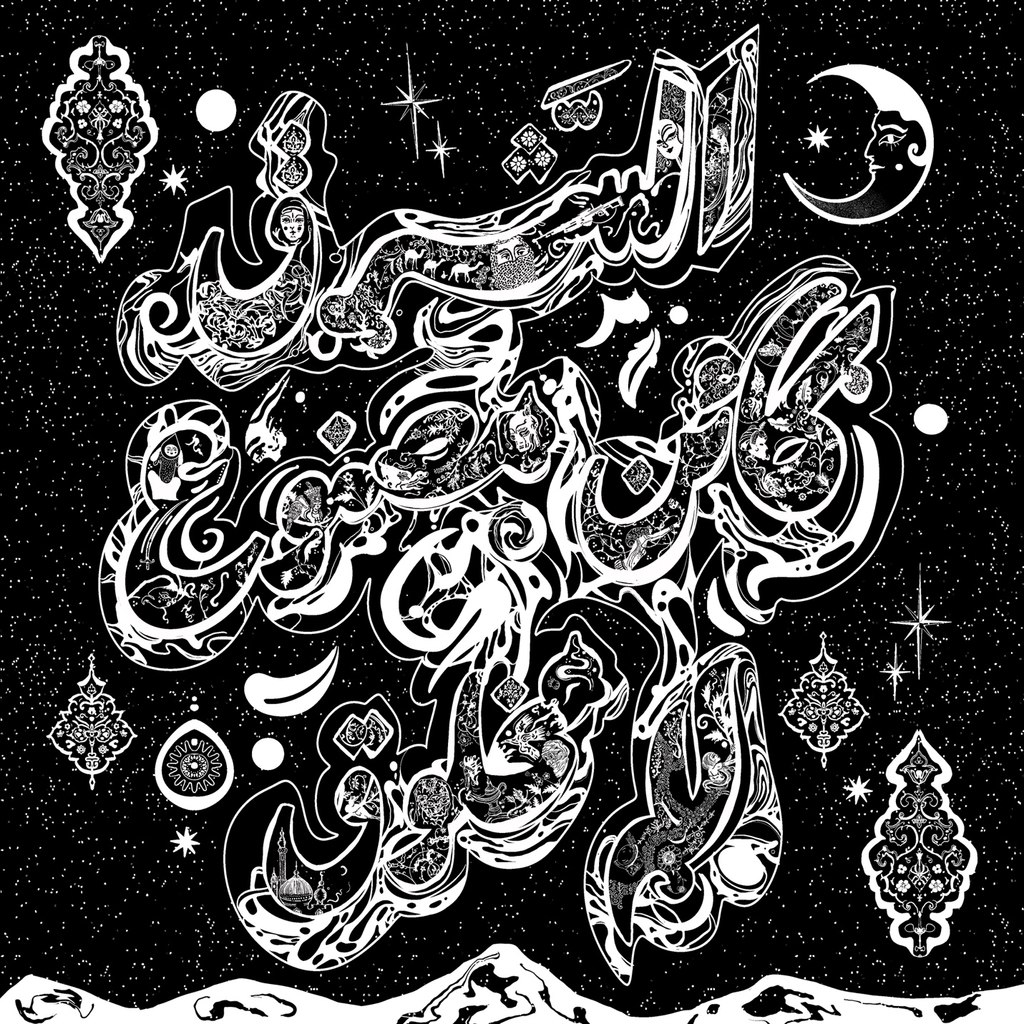
Sirdab (2026) / Sireen El Araj (Palestine)
Sirdab is a digital zine and platform that explores complex academic themes through a blend of art, writing, and multimedia, with the aim of making heavy theoretical subjects more accessible and engaging.
The first issue revolves around self-orientalism, examining how identity can be shaped, performed, and internalized through external narratives and expectations. This theme sets the foundation for the project, where each future issue will focus on a different concept, approached through both critical and creative practices.
Beyond being a publication, Sirdab is an open space for expression, inviting contributors to share artworks, texts, videos, or raw thoughts free from the constraints of traditional formats, embracing the experimental spirit of zine culture. It also responds to a nostalgia for earlier internet spaces by creating a platform that encourages slowness, reflection, and genuine engagement, a digital “cave” where ideas can be explored and reshaped..
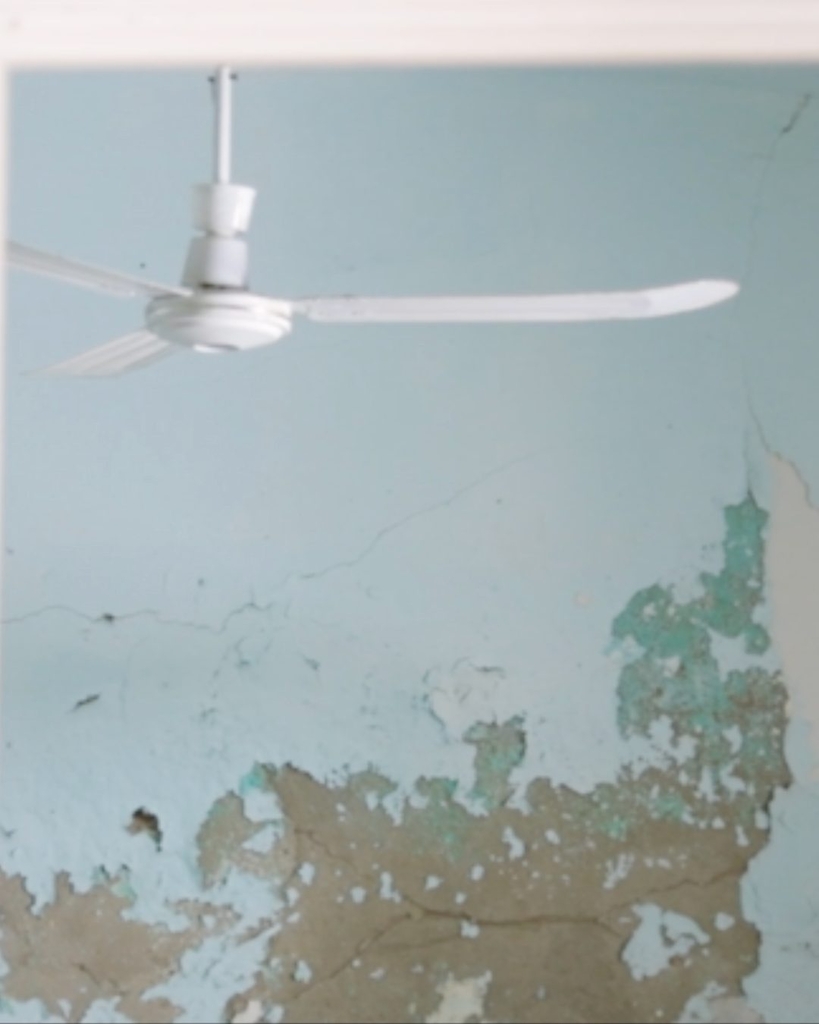
Living Languages, Resisting Silences (244 – 2026) / Olfa Bouargoub (France)
Between Tunisia and France, this film weaves an intimate narrative in which (non-)memories become living material. Drawing from a fragmented family fabric, from gestures and places threatened with disappearance, it questions inheritance — what is passed on and what is lost.
Childhood, joy, languages, the memory of a grandfather, a grieving community, and contemporary violence intersect and echo one another. The film examines the place of colonized bodies and the conditions in which they live, love, and disappear.
Filming thus becomes an act of preservation and resistance, an urgent attempt to hold onto what is wavering and to make space for what continues to live on.
Between documentary and poetry, this ritual-film opens a sanctuary where the living and the dead enter into dialogue.
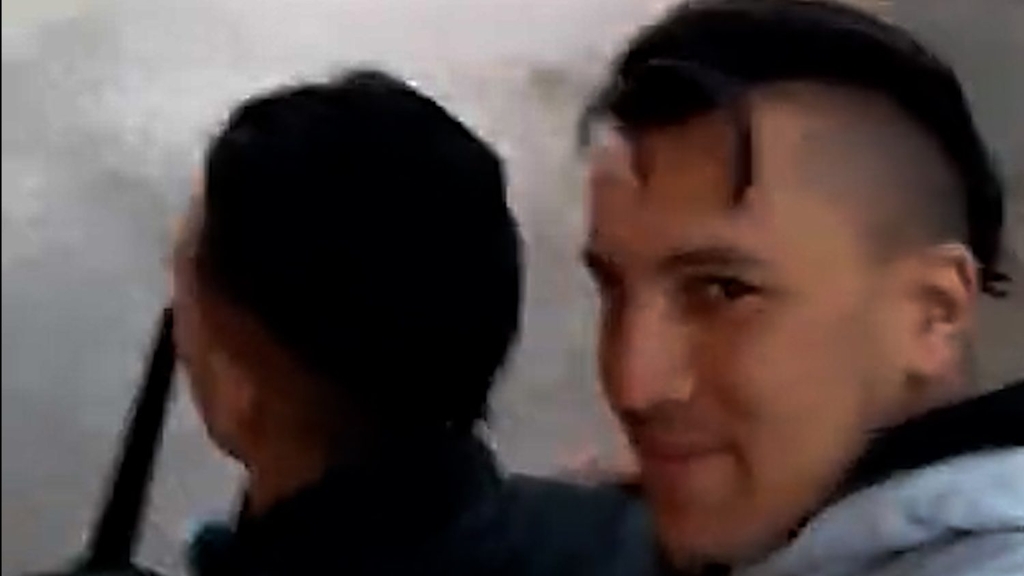
Ethnography of sadness (20′ – 2026) / Nabil Aniss (Morocco)
Ethnography of sadness engages with the transnational and transhistorical condition of abandoned youth, from the urban peripheries of Morocco to isolated minors in the west, specifically. The project interrogates how violence becomes both a language and a medium through which these bodies, rendered surplus by state and social structures, attempt to reassert visibility and agency.
Taking as a point of departure the violent performativity of Tchermil, a phenomenon in Morocco wherein marginalized youth carry out extreme acts of public violence, often broadcast through social media, the project expands this inquiry to encompass the spectral presence of abandoned underage and their exposed to the violence of structures
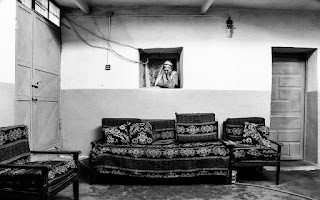
Trabendo (2026) / Youcef (Algeria)
Trabendo is a photographic project conceived as a fragmented narrative in which the image becomes a tool for exploring memory, time, and lived experience. Through an intuitive and immersive approach, the photographs focus on the interstices of reality: ordinary gestures, transitional spaces, fleeting presences, and traversed territories.
The practice is rooted in a direct relationship with the world, where photographing is not about documenting from a distance, but about fully inhabiting what is being experienced. The image thus becomes a means of understanding both the photographed subject and one’s own place within it.
Structured into seven chapters — Passenger, Silence, Abyss, Fading, Exile, Rub-Out, and Myth — Trabendo unfolds as an intimate cartography shaped by movement, memory, and perception. More than a testimony, the project offers a sensitive journey in which personal history intersects with broader reflections on identity, memory, and the ways we inhabit the world.
