Celui qui voulait croire au bison

Celui qui voulait croire au bison
2023 | 25'00 | France - Ukraine
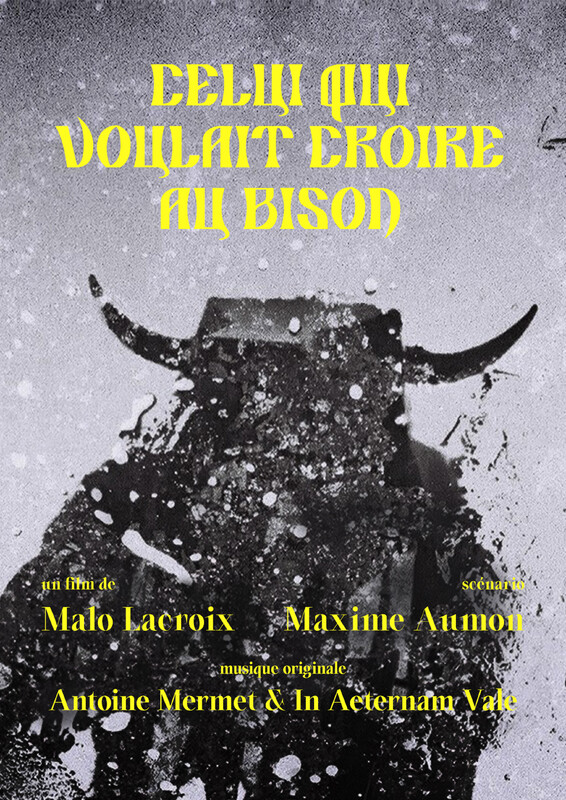
« Celui qui croyait au bison » est un court métrage qui dépeint une évasion audacieuse des frontières de l’Europe de l’Est. À l’aide d’un totem en forme de bison, censé être doté d’un pouvoir surnaturel, celui de renverser tyrans et dictatures, un jeune homme explore l’articulation entre mensonge et vérité, fable et information à la frontière ukrainienne et se confronte à un territoire en mutation.
«The one who believed in Bison» is a short movie that depict a bold escape from Eastern Europe borders. With the help of a Bison-shaped totem supposedly endowed with supernatural power, that of overthrowing tyrants and dictatorships, a young men explores the articulation between lie and truth, fable and information at the Ukrainian border and confronts himself in a changing territory.
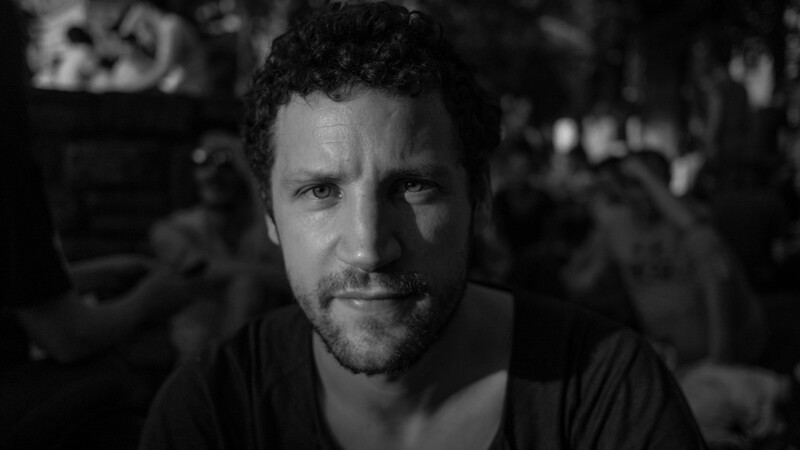
Né à Cayenne en Guyane française, Malo Lacroix est un artiste plasticien dont le travail touche à la scénographie, au cinéma et à la performance avec un intérêt prononcé pour les nouvelles formes de narration et d’imagerie à la frontière du réel où se mêlent œuvres plastiques, artefacts technologiques, musique électronique et arts numériques. Depuis plusieurs années, Malo est invité à présenter son travail dans diverses institutions telles que le Festival Gamma de Saint-Pétersbourg, les Berliner Festspiele et Ohm de Berlin, la Gaité Lyrique, le Théâtre du Châtelet, l’École Estienne, Le Dos en Scène à Paris, le Musée Fabre de Montpellier, Stereolux de Nantes, l’Opéra national des Pays-Bas, De Brake Grond d’Amsterdam, le Metropolitan Pavilion de New York, l’Orangerie du Parc de la Tête d’Or, le festival Mirage, les Nuits Sonores de Lyon et MMOMA de Moscou pour le festival d’art vidéo Now&After et le festival Videofromres de Clermont-Ferrand. En 2019, Malo a remporté une médaille de bronze à la Shenzhen Design Week en Chine pour le projet Porte Nef, fruit d’une collaboration entre l’architecte Maxime Aumon et le compositeur In Aeternam Vale. Plus récemment, son travail vidéo a été intégré au spectacle La Horde de Contre-vent, adapté du roman d’Alain Damasio avec Nicolas Boudier et Philippe Gordianni, en coproduction avec TNG Lyon. En 2024, son film Celui qui voulait croire au Bison a été primé en compétition internationale au festival Videoformes.
Malo Lacroix, born in Cayenne, French Guyana, is a visual artist whose work concerns scenography, film and performance with a pronounced interest in new forms of storytelling and imagery at the frontier of reality where plastic works technological artifact, electronic music and digital arts are combined. For several years, Malo has been invited to present his work in various institutions such as the Gamma Festival, St Petersburg, Berliner Festspiele and Ohm, Berlin, Gaité Lyrique, Théâtre du Chatelet, École Estienne, Le Dos en Scène, Paris, Musée Fabre, Montpellier, Stereolux, Nantes, Dutch nationale Opera & Ballet, De Brake Grond, Amsterdam, Metropolitan Pavilion, New York, Orangerie du Parc la tête d’Or, Mirage festival, Nuits Sonores à Lyon and MMOMA, Moscow for the Now&After video art festival and Videofromres festival in Clermont-Ferrand. In 2019, Malo won a bronze medal at the Shenzhen Design Week in China for the Porte Nef project, a collaboration between architect Maxime Aumon and composer In Aeternam Vale. More recently, his video work has been included for the show La Horde de Contre-vent, adapted from the novel by Alain Damasio’s with Nicolas Boudier and Philippe Gordianni in co-production with TNG Lyon. In 2024, his film Celui qui voulait croire au Bison was awarded International competition at Videoformes festival.