How I love you
How I love you
2002 | 29'40 | Liban
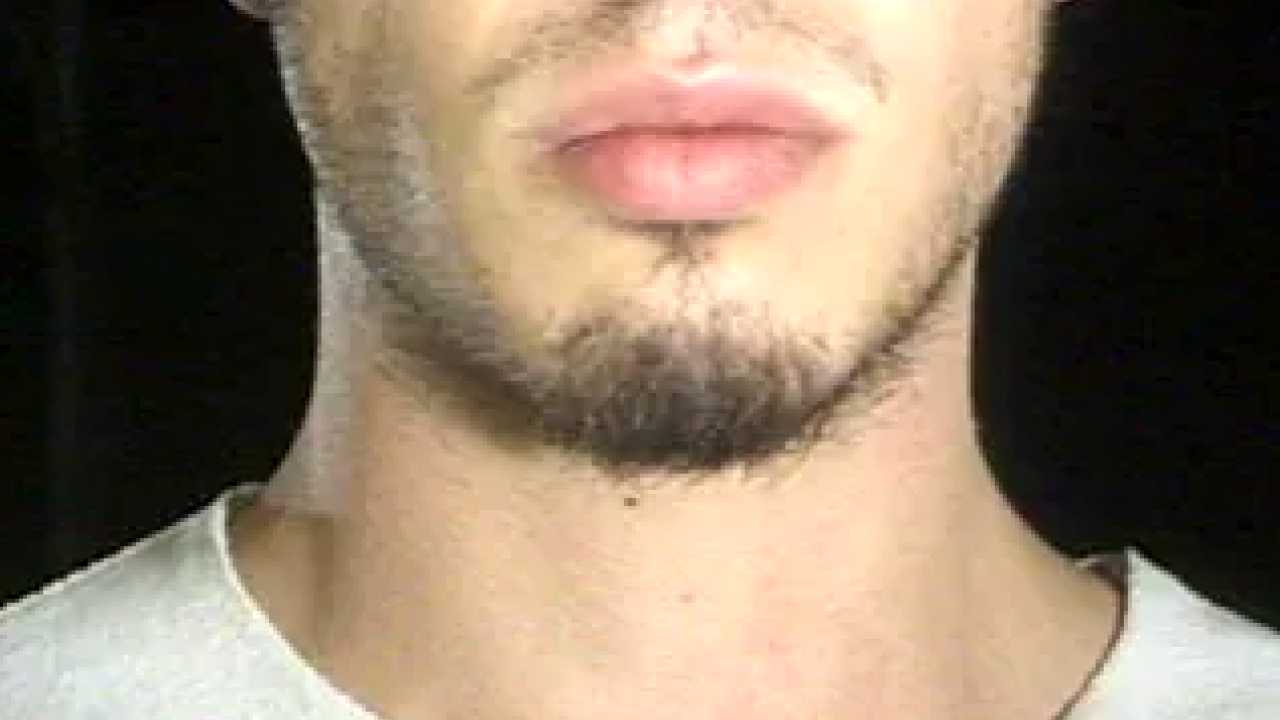
Découverte de la sexualité chez les homosexuels libanais. Cinq hommes nous parlent de leur vie sexuelle, de leurs aventures, de leur relation au corps et de leurs passions amoureuses dans une société où l’homosexualité est toujours passible d’emprisonnement. Le film utilise la lumière pour créer un voile blanc opaque qui rend l’identification des personnages quasiment impossible.
It is an exploration of sexuality among gay men in Lebanon. Five characters talk about their sexual life, about commitments, about their relationships to their bodies, about their passions and love in a society where homosexuality is still punished with imprisonment. The video uses light to produce a white veil that obstructs sight rendering character identification almost impossible.

Akram Zaatari est né au Liban en 1966 et vit et travaille à Beyrouth. Le travail de Zaatari explore les questions pertinentes pour le Liban d’après-guerre, en se concentrant principalement sur la logique de la résistance religieuse et nationale, et la production et la circulation d’images dans le contexte d’un Moyen-Orient géographiquement divisé. Co-fondateur de l’Arab Image Foundation (Beyrouth), Zaatari s’est concentré sur la collecte, l’étude et l’archivage de l’histoire photographique du Moyen-Orient, notamment en étudiant le travail du photographe libanais Hashem el Madani en tant que registre des relations sociales et des pratiques photographiques.
Akram Zaatari was born in Lebanon in 1966 and lives and works in Beirut. Zaatari’s work explores issues pertinent to postwar Lebanon, focusing primarily on the logic of religious and national resistance, and the production and circulation of images in the context of a geographically divided Middle East. Co-founder of the Arab Image Foundation (Beirut), Zaatari has focused on collecting, studying, and archiving the photographic history of the Middle East, notably studying the work of Lebanese photographer Hashem el Madani as a register of social relationships and photographic practices.